8 Foods to Feed Birds in Fall and Help Them Migrate
This post contains affiliate links. If you buy through them, Birdstyl may earn a small commission at no extra cost to you. Read our Affiliate Disclosure.
Fall is one of the most exciting times to watch a bird feeder. The summer crowd is thinning out, new birds are passing through on their way south, and winter residents are starting to arrive. It is also one of the most important times to offer the right food, because birds are getting ready for a long trip or a cold winter.
This guide explains why birds need different food in fall, lists the 8 best foods to put out, shows which birds to expect, and walks you through a simple pinecone feeder you can make at home. You will also find out when to take down hummingbird feeders and which habits waste time and money.
Why Birds Eat So Much in Fall
In summer, many birds live on insects and feed them to their chicks. By fall, insects become harder to find, so birds switch to foods that are rich in fat, sugar and calories. That change helps them build up body weight and store extra fat as fuel.
Migrating birds are the hungriest of all. Their urge to eat more is driven by hormones, and they feed more frantically than they do in summer. Birds that stay put, such as chickadees and woodpeckers, need fat too. According to Wild Birds Unlimited, small songbirds can use up to three quarters of their fat reserves in a single winter night, and they can refill them the next day when high fat food is available.
There is one myth worth clearing up right away. Putting out food does not stop birds from leaving. Migration is hardwired into them, so a full feeder will not keep a warbler or a hummingbird from heading south. What your feeder does is give them a safe place to refuel on the way.
Black Oil Sunflower, Suet and 6 More Fall Favorites
You do not need to buy everything on this list. Pick three or four foods, offer them in feeders that suit each food, and add more as you see which birds visit your yard.
Black Oil Sunflower Seeds
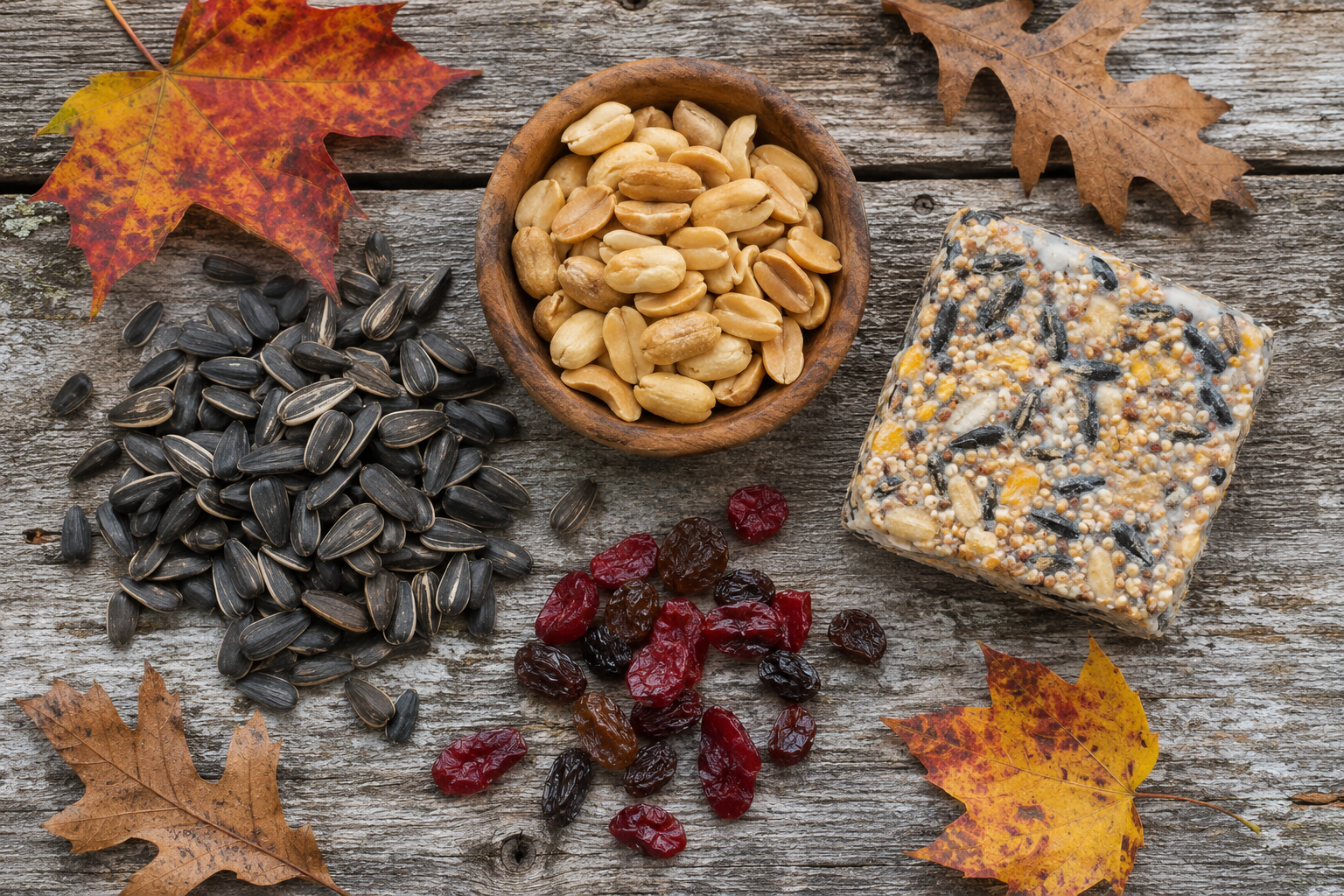
If you buy only one bag of seed, make it black oil sunflower. It is high in fat, easy for small birds to crack and eaten by nearly every backyard songbird. It works in tube feeders, hopper feeders and platform feeders.
Suet
Suet is a block of dense animal fat, often mixed with seeds, nuts or fruit. It gives birds a huge amount of energy in a small amount of food. Hang it in a wire mesh cage and expect chickadees, nuthatches and woodpeckers. On warm fall days, a no melt suet cake holds its shape better.
Shelled Peanuts
Unsalted peanuts are popular with chickadees, nuthatches, woodpeckers and jays. Offer them in a mesh feeder with small openings so birds pull out one piece at a time instead of carrying off whole handfuls.
Peanut Butter
Peanut butter is a protein and fat powerhouse. Choose a natural jar with no added salt or sugar and spread it thinly. You can press it into tree bark, into the holes of a log feeder or onto a pinecone, as shown in the project below.
Safflower Seeds
Safflower seeds are packed with fat and protein because of their high oil content. They are a good addition to a mixed feeder when you want to give birds a little more variety.
Nyjer Seed
Nyjer, sometimes sold as thistle, is a tiny black seed with a high oil content. Use a feeder with very small ports so the seed does not spill, and expect small finches to notice it quickly.
Millet and Cracked Corn
Millet and cracked corn are cheaper foods that mostly attract ground feeders such as juncos and sparrows. Scatter a small amount on a clean patch of ground or on a low tray rather than filling every feeder with them.
Dried Fruit and Mealworms
Raisins, dried berries and dried mealworms add protein and sugar that many birds crave before a long trip. Mix them with seed or offer them in a shallow dish, and watch bluebirds and woodpeckers drop by.
5 Fall Visitors to Watch for at Your Feeder
Your feeder crowd changes quickly in fall. Here are five groups to look for from the first cool mornings through the first frost.
Dark-eyed Junco
The Dark-eyed Junco is a small gray sparrow with a white belly, a pink bill and bright white outer tail feathers that flash when it flies. Juncos arrive in fall in much of the country, which earned them the nickname snowbirds. They feed mostly on the ground, so scatter millet or sunflower chips on the ground or on a low platform feeder.
White-throated Sparrow
The White-throated Sparrow loves millet and prefers to eat on or near the ground. A ground tray or a pile of seed under a shrub brings it into view, especially in the early morning.
Chickadees and Nuthatches
These acrobats stay through winter and become regulars at suet cages and peanut feeders. They grab one seed, fly off to a branch and come back for another, so a busy feeder can feel like a tiny airport.
Blue Jays
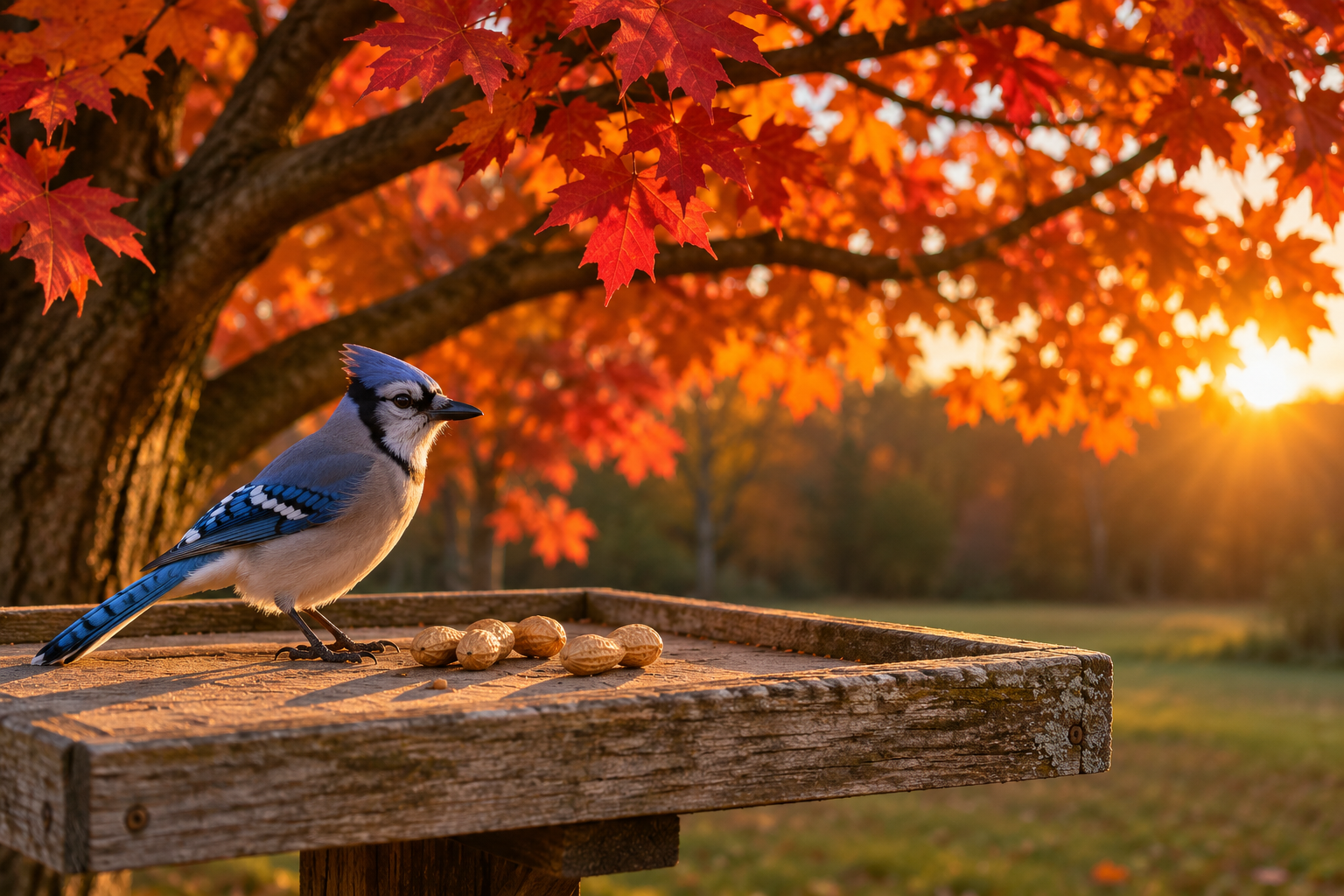
Blue Jays are loud, bold and very fond of peanuts. Put a few unshelled peanuts on a platform feeder and they will often become daily visitors. For more ideas, read our guide on How to Attract Blue Jays to Your Backyard.
Late Hummingbirds
Some hummingbirds pass through in late September and even October. They are easy to miss, which is why many birders keep a camera near the feeder. A smart bird feeder with a built in camera can send a video to your phone the moment a bird lands, so you catch the late travelers without standing at the window all day.
Why You Should Leave Hummingbird Feeders Up in Fall
Many people take their hummingbird feeders down at the end of summer because they worry that the nectar keeps birds from leaving. That is a myth. Hummingbird migration is triggered by the length of the day, not by the food in your yard.
The usual advice is to leave feeders up until about two weeks after you see your last hummingbird. Late migrants, including young birds on their first trip, may stop by to refuel once flowers start to fade. In the warmest parts of the country, some people keep a feeder up all year to help hummingbirds that spend the winter there.
Keep the nectar fresh and use plain homemade nectar without red dye. If the liquid turns cloudy, empty the feeder, wash it well and refill it. You can find setup tips in our guide on How to Attract Hummingbirds to Your Backyard.
How to Make a Peanut Butter Pinecone Feeder in 5 Minutes
This is one of the easiest bird feeding projects, and it is great for kids. You only need a pinecone, natural peanut butter, birdseed and a piece of string.
- Pick a dry pinecone with open scales and tie a loop of string around the top.
- Spread a thick layer of peanut butter over the cone and press it between the scales.
- Roll the cone in black oil sunflower seeds, chopped peanuts or dried fruit until the surface is covered.
- Hang it from a branch you can see from a window, away from fences or limbs that squirrels use to jump.
Chickadees, nuthatches, woodpeckers and jays all enjoy this treat. Make a small batch, replace the cone when it looks old and keep an eye on the weather so the peanut butter does not turn messy on warm days.
Berries, Seed Heads and Fallen Leaves Feed Birds for Free
Nature also puts out a buffet in fall. Berries, seeds, nuts and insects help birds bulk up before winter or a long trip. According to the National Wildlife Federation, ripe spicebush berries can be 35 to 50 percent fat, a huge jump compared with summer fruits like black raspberries, which often contain less than 1 percent.
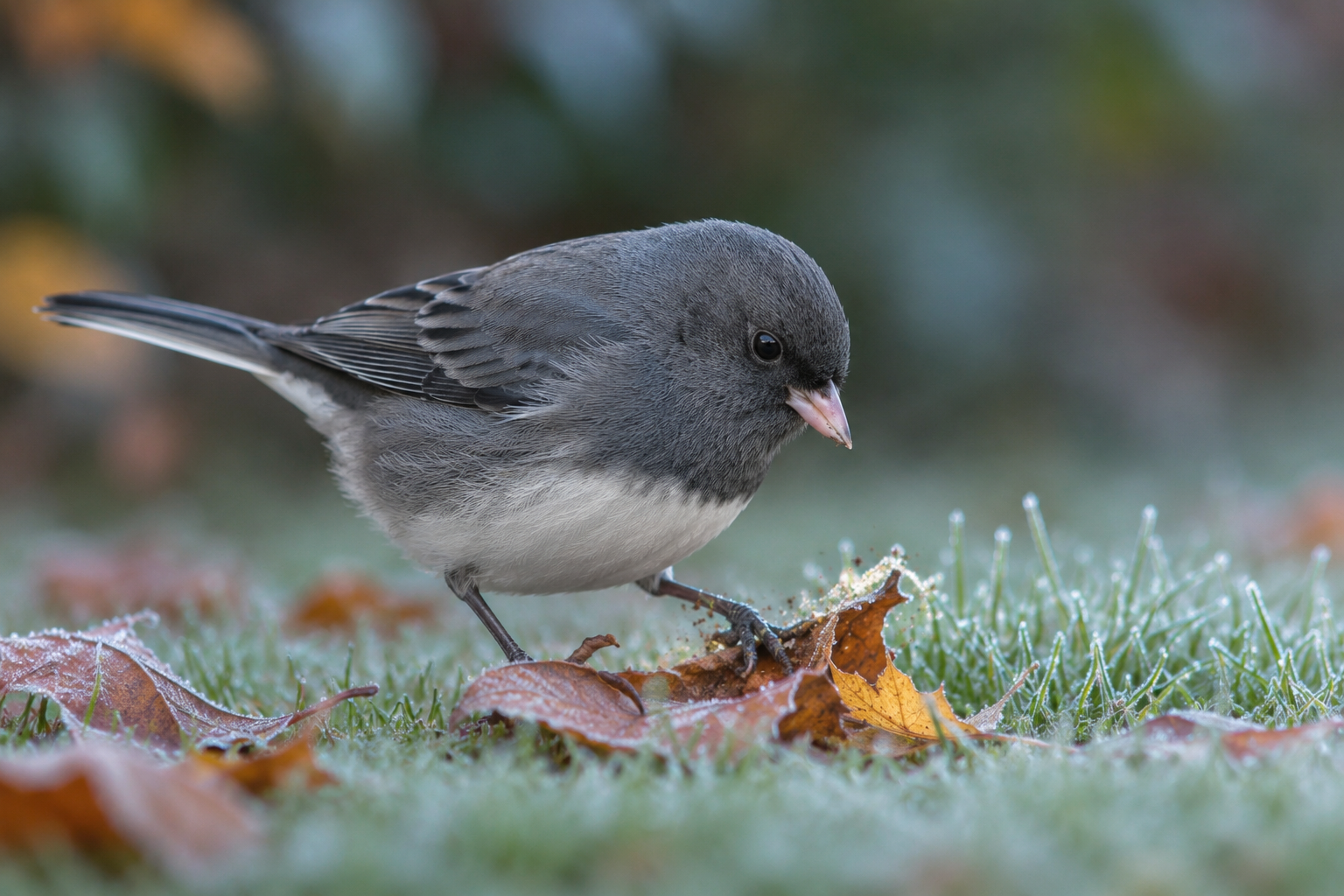
You can make the most of this natural food by leaving seed heads standing in your flower beds and planting native shrubs that produce berries. Resist the urge to rake every leaf. Leaf litter shelters insects and small animals, and ground feeding birds love to scratch through it looking for a meal.
5 Fall Bird Feeding Mistakes to Avoid
A few small habits can make fall feeding less useful for birds. Check your yard for these:
- Offering filler foods such as bread, cereal or sweet scraps, which give birds very little real nutrition.
- Taking hummingbird feeders down too early, before late migrants have passed through.
- Leaving dirty feeders or old, damp seed outside, since dirty feeders can spread illness among birds.
- Letting squirrels empty the feeders every day instead of adding a baffle or choosing a squirrel resistant design.
- Forgetting fresh water, which birds need for drinking and for keeping their feathers in good shape.
If you are not sure which feeder suits each food, our guide on How to Choose the Best Bird Feeder for Your Backyard explains the main designs in plain language.
Final Thoughts
Fall feeding comes down to a few simple choices. Offer high fat foods like black oil sunflower seeds, suet and peanuts, keep hummingbird feeders up for two weeks after the last visitor, leave some natural food in your yard and keep everything clean. Your feeder will be busy with migrants, and many of them will thank you with a few days of great birdwatching.
When the first snow arrives, switch to the cold weather plan in What to Feed Birds in Winter: A Simple Backyard Guide.
Curious how the menu changes in the warm months? Read What to Feed Birds in Spring and Summer and compare the two seasons.
And if you would like to see every visitor up close, take a look at the Birdfy camera feeders before the winter rush begins.
Sources
Perky-Pet, How Bird Diets Change in Fall
National Wildlife Federation, A Year of Food for Birds
Minnesota Department of Natural Resources, Fall Bird Feeding
Wild Birds Unlimited, High Fat Foods
Wild Birds Unlimited, Feeding Birds During Migration
Farmers’ Almanac, When to Take Down Your Hummingbird Feeder (and the Myth That Holds People Back)
Farmers’ Almanac, That Little Gray Bird Just Showed Up in Your Yard
Gardening Know How, What Backyard Birds Need in September
Rural Sprout, Fall Bird Feeding Tips